The TerraMax UGV is controlled by a ruggedized operator control unit (OCU). This OCU enables the operator to monitor both systems of the vehicle as well as the status of the mission the UGV is conducting. The software, console and controller allows for the operator to control multiple systems simultaneously allowing the operator to quickly update the software to maintain the operations tempo (optempo). There is not much information on the specific control unit of the system on the internet but from the looks and form factor it appears to be nothing more than a ruggedized tablet with quick select buttons that run long both sides of the tablet. The controller appears to resemble an Xbox gaming controller with various buttons and knobs. The design appears to be a quick design platform to a UGV design that more than likely will require a more robust solution if such a vehicle is to be utilized in large numbers within a given area of operations. With this said, there are companies designing ground control stations that are capable of managing ground vehicles such as the universal ground control station by Textron. As a result of the interoperability standardization set forth through STANAG 4586 and standardized message formats and interfaces that can be shared with other systems all types of unmanned systems can utilize this specific setup in the UGCS. According to Textron the UGCS architecture provides command and control capability for UAS as well as UGV and USV systems. (Defense Update, 2009). The UGCS is designed for ease of use between systems as well as for the ability to maintain situational awareness of the operators. According to Textron, the system incorporates a modular hardware and software design that is easily scalable and is easily reprogrammed for different unmanned vehicles (Textron, 2015). When entering the UGCS one will quickly notice the design setup is user friendly and ergonomically set up with comfortable seating and large, easy to read screens at the workstations. This is much different than the original control stations from the late 90’s with multiple screens supplying varying degrees of information which have been the result of numerous instances of situational awareness loss. One possible update to future systems might be the use of pilot/operator sensor integration to supply the senses for enhancing the situational awareness that is currently missing as a result of being removed from the aircraft.
References
Textron. (2015). Universal capabilities for the next generation battle space. Retrieved from http://www.textronsystems.com/sites/default/files/gallery/TS%20US%20UCGS%20Datasheet.pdf
Defense Update. (2009). AAI offers multi-uas integration with STANAG 4586 compliant ground control ‘one system’ GCS. Retrieved from http://defense-update.com/products/o/onesystem_4586.html
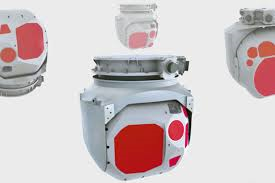 relevance to USNY 605 is the multi-spectral targeting system or MTS sensor. The MTS is an exteroceptive sensor manufactured by Raytheon and has been through several iterations as a result of technology advancement and upgrades to the MQ-1 and other variants. (Valdes, 2015). This sensor is comprised of a turret that mounts on the underside of the aircraft. This ‘ball’ is gyro-stabilized and incorporates a day TV camera, a low light tv camera (LLTV), laser range detecting (LRD) and laser target marking (LTM) (Valdes, 2015). In addition to this sensor the system utilizes Hellfire missiles and uses the onboard computer to make calculations as to trajectory and distance to the target (Valdes, 2015). Other sensors bundled into the MTS also calculate wind speed, direction and other variables in order to fuse the data together for a firing solution (Valdes, 2015). The article also goes into some depth on locations and implementations of other sensors both exteroceptive and proprioceptive. The diagram provided by the author shows the locations of the Ku dish, synthetic aperture radar (SAR), global positioning system/inertial navigation system (GPS/INS) and other sensors that provide information to the system about the current condition of the environment (Valdes, 2015). A good example of this is the ice detection sensor located on the fuselage of the aircraft. A further example of the proprioceptive sensor is the angle of attack (AOA) sensor that provides the autopilot system important information as it relates to its positioning.